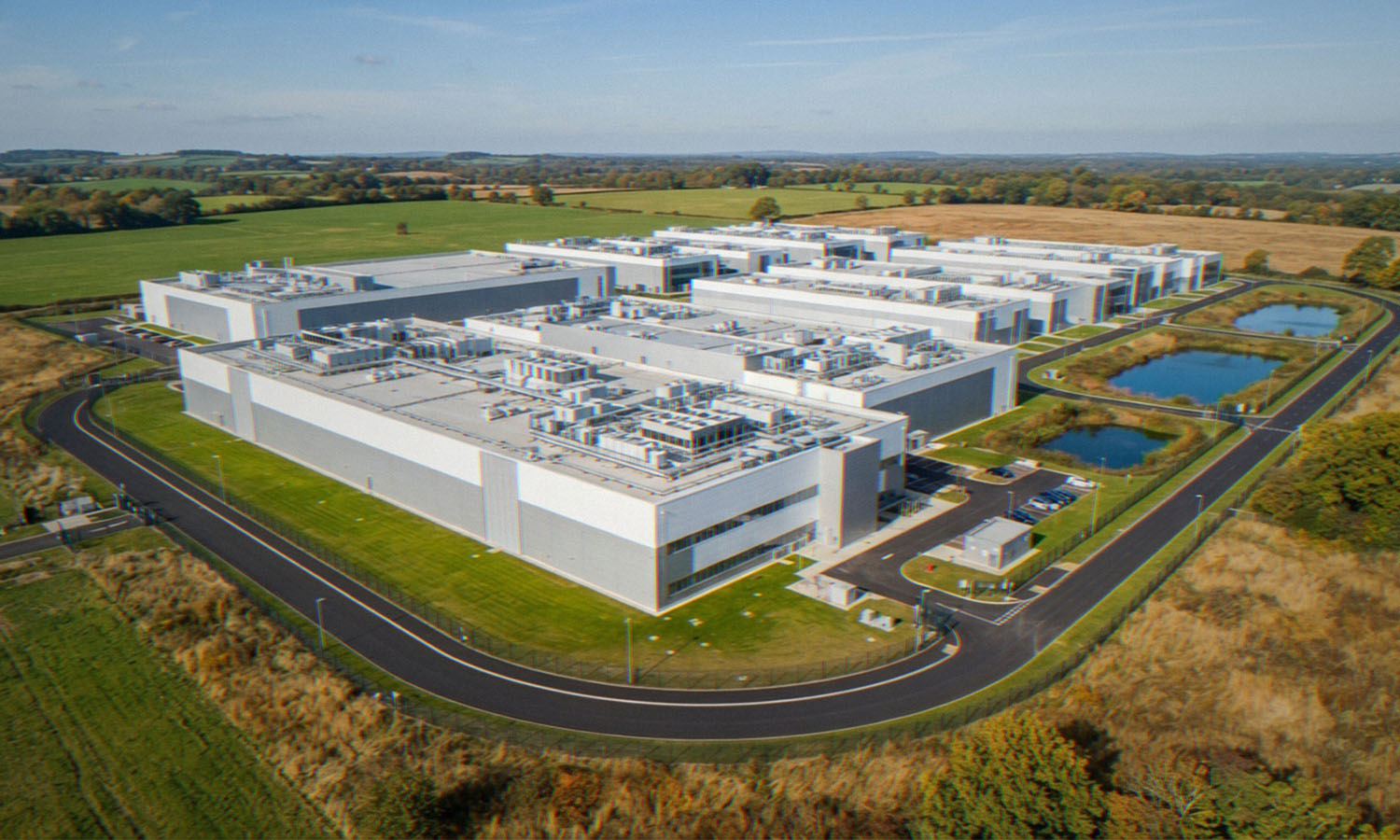
Two adjoining tracts outside Atlanta, with the same zoning, same soils, and same transmission line at the fence, can differ in value tenfold, because one holds an executed electric-service agreement and the other holds a letter saying capacity "may be available."
A data-center site’s value increasingly has less to do with the dirt than with whether a specific electric-service agreement, not just a queue position, is in place, and whether that agreement can actually move to a new owner. Dan Boring’s latest Beyond the Core Four edition walks through what happened when a nearly $25 billion Virginia project was voided over a notice defect rather than the merits, why utility capacity behaves more like a contract right than an appurtenance, and what that means for how purchase agreements, mortgages, and diligence files should be built.
For owner-users, lenders, and counsel, the practical risk isn’t whether the parcel can host a data center. It’s whether the power, the incentives, and the obligations attached to them actually survive a transfer, a foreclosure, or a rate case.
Key Takeaways
- Utility capacity rights typically arise from contracts and tariffs, not recorded real-property interests, so the power position doesn’t automatically transfer when the land sells; assignment usually requires utility consent.
- Grid access, not customer demand, is now the primary constraint on new data-center development, which is why "powered land" with a signed electric-service agreement can sell for far more per acre than land with only a queue position.
- Large-load utility tariffs increasingly carry 12- to 19-year minimum-billing terms and exit fees that, on a gigawatt-class commitment, can exceed the underlying land value, a liability that shows up on no title report.
FAQ
Does electric capacity transfer automatically when data-center land is sold?
Generally, no. Utility capacity and service rights usually arise from contracts and tariffs rather than recorded real-property interests, so transfer typically requires the utility’s consent or a new agreement, a gap most purchase agreements don’t address directly.
What is "powered land" and why does it command a premium?
"Powered land" refers to a site with a credible, contracted path to grid capacity, not just zoning or acreage. Because grid access, not customer demand, is now the main constraint on new development, land with an executed electric-service agreement can trade at many times the price of comparable land with only a queue position.
Can a lender foreclose on a data-center site and still keep the power agreement?
That’s an open question. Utility contracts are typically held by the borrower entity, not recorded against the real estate, so a foreclosing lender may not automatically be able to compel assignment of the power position it originally underwrote.
Why do large data-center projects sometimes get blocked over procedure rather than the merits?
Entitlement approvals depend on notice and hearing requirements that can be challenged independently of the project itself. A nearly $25 billion Virginia campus was voided not because of community opposition to the project, but because the public notice for the rezoning was found legally defective.
What are "contributions in aid of construction" in a data-center deal?
It’s an arrangement where the customer (the data-center operator) pays for infrastructure, such as a substation, that the utility ends up owning. That distinction affects who has an insurable interest, how the cost is allocated for tax purposes, and what a lender’s collateral package actually contains.
Read the full edition, including the ten questions to ask before a client signs, on LinkedIn.
Learn more about the author on Dan Boring’s bio page.