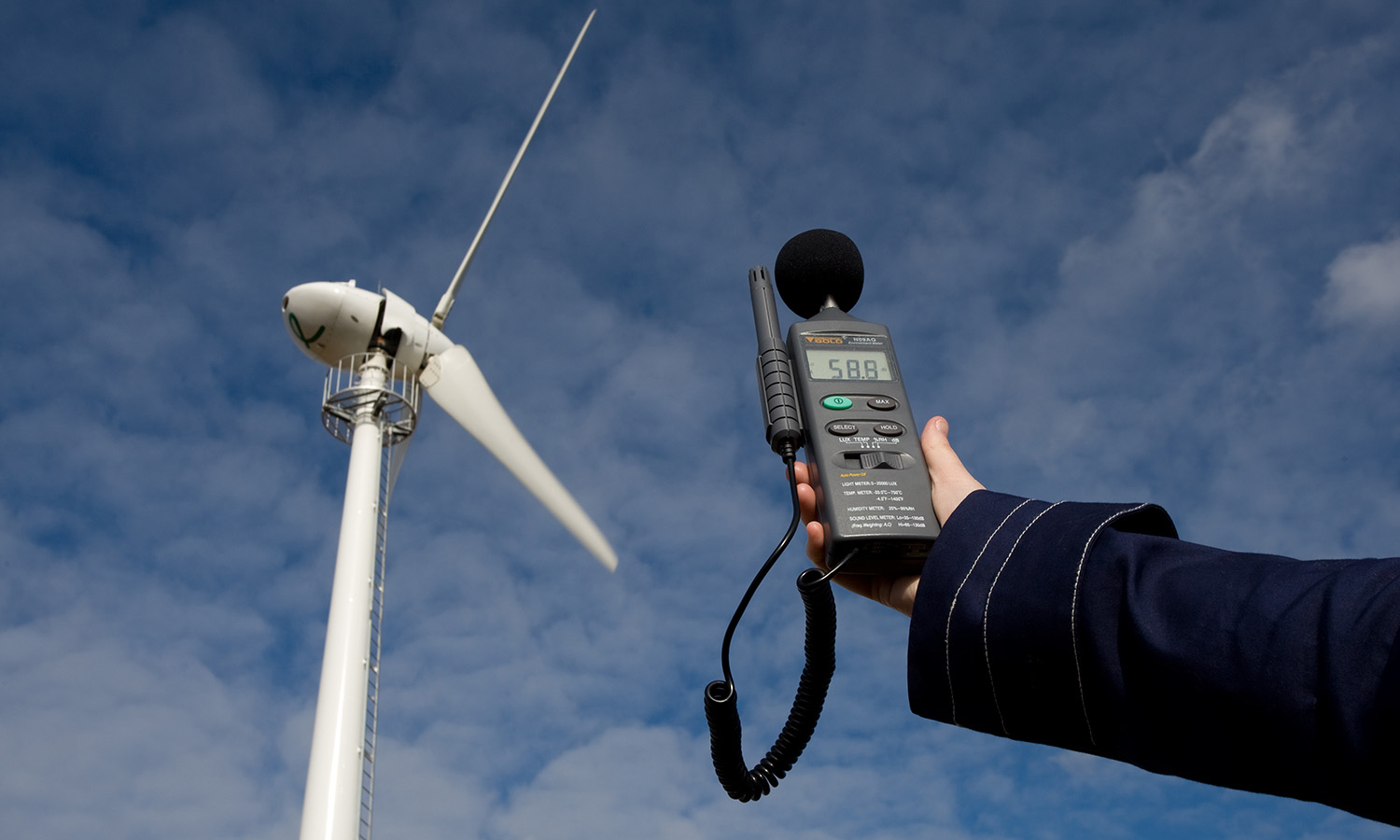
A Dowagiac, Michigan facility is alleged to run below the city’s own daytime noise cap, and is a class-action defendant anyway, because nuisance liability doesn’t require an ordinance violation.
Compliance with the local decibel cap isn’t proving to be a defense. Dan Boring’s latest edition walks through the current nuisance docket, the measurement fight over A-weighted versus octave-band noise standards, and the emerging "dark sky" lighting rules that are becoming a second, less-visible constraint. For counsel and lenders, the acoustic study is now effectively part of the entitlement record, and the conditions of approval (generator windows, sound walls, lighting curfews) are the real site plan.
Key Takeaways
- Noise-driven class actions against data-center operators have been filed in Mississippi, Michigan, Wisconsin, New Jersey, New York, and Texas in roughly the past year, and at least one has already survived a motion to dismiss. The Mississippi case centers on gas-turbine noise from an AI facility and has drawn a separate federal air-quality suit, with the Justice Department signaling it may intervene on the operator’s side, citing federal AI policy priorities.
- Most local noise ordinances use A-weighted decibel scales that understate the low-frequency hum data centers emit; jurisdictions like Prince William County, Virginia are shifting to C-weighted and octave-band standards designed specifically to catch it.
- New ordinances pairing 300–400 foot equipment setbacks with screening and lighting curfews can sterilize a meaningful share of a parcel’s buildable acreage before design even begins.
FAQ
Can a data center be sued for noise even if it meets the local ordinance?
Yes. Nuisance liability generally doesn’t require an ordinance violation. Several current class actions allege facilities operating within permitted decibel limits while still causing actionable disturbance to nearby residents.
Why do standard noise ordinances often fail to capture data-center noise?
Most local ordinances measure sound in A-weighted decibels, a scale that discounts low-frequency noise, which is exactly the frequency range data-center cooling equipment emits. A facility can register as compliant on the county’s meter while residents still experience a constant, penetrating hum.
What noise and light standards are localities starting to adopt for data centers?
More sophisticated jurisdictions are moving to C-weighted and octave-band noise limits (which catch low-frequency sound A-weighted scales miss), paired with equipment setbacks of 300–400 feet from residential districts, evergreen screening, and dark-sky lighting requirements limiting glare and light spill.
How much buildable land can setback and screening requirements eliminate?
It can be significant. On a roughly 100-acre parcel with one residential-facing boundary, a 400-foot equipment setback alone can sterilize on the order of 19 acres, before accounting for required screening buffers or additional setbacks on a second boundary.
Do data centers reduce nearby home values?
The evidence is mixed and still developing. Broader, ZIP-code-level studies have found effects that are small and not clearly negative in the aggregate, but that scale of analysis can miss localized impact on the specific streets closest to the facility, an area where paired-sales data is still limited.
Read the full edition, including the current case list and buildable-envelope math, on LinkedIn.
Learn more about the author on Dan Boring’s bio page.