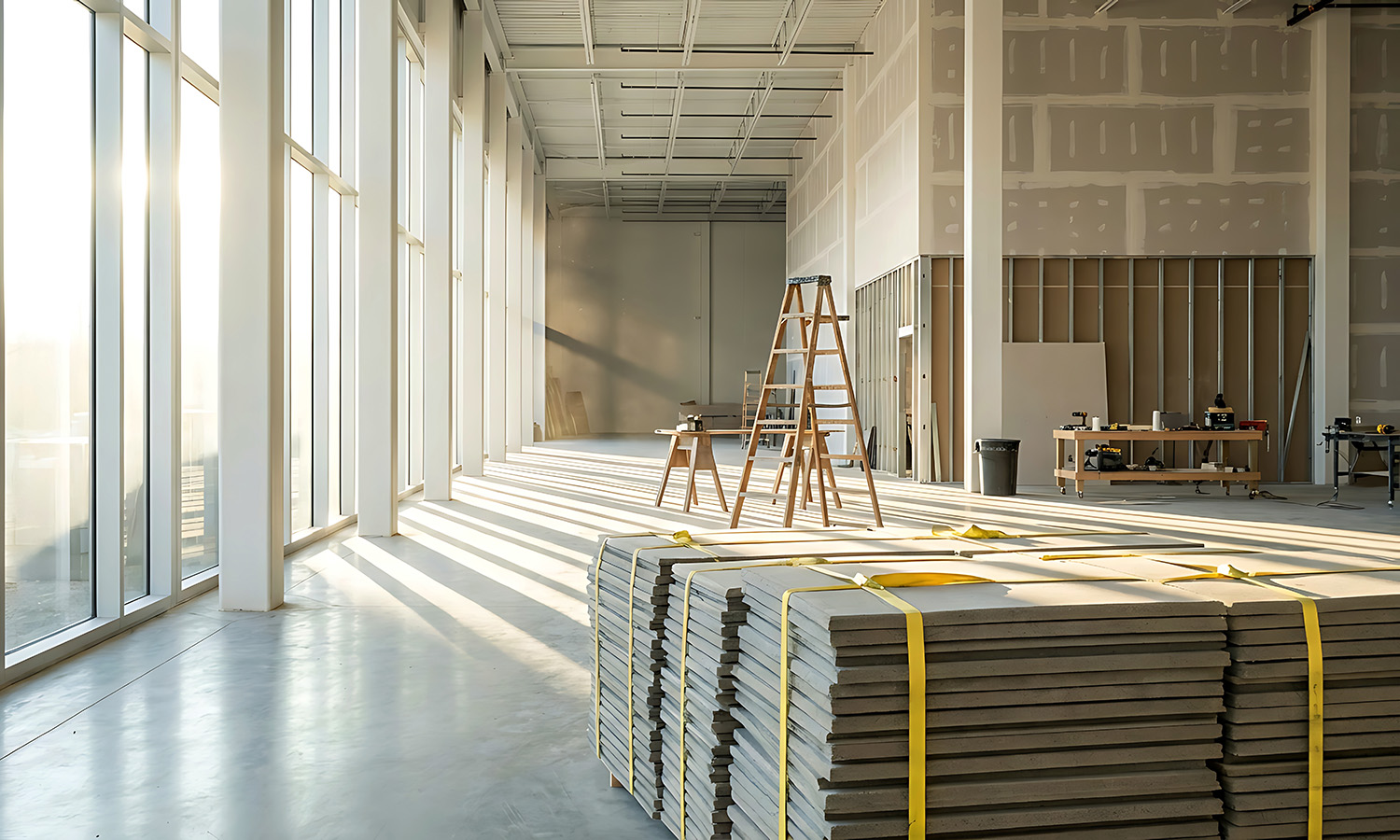
Office-to-residential conversion is not a one-size-fits-all solution for Greater Los Angeles property owners, as building suitability, redevelopment economics, and market conditions determine whether holding, selling, or converting offers the strongest opportunity.
As Los Angeles continues to navigate an evolving office market, adaptive reuse is attracting attention as a potential solution for underperforming office properties. However, not every building is a viable conversion candidate, and the economics of redevelopment require careful consideration.
A recent Wall Street Journal article by Peter Grant, “NYC’s Office-Conversion Projects Are Back After a Big Summer Scare,” highlights renewed activity in New York City’s office-to-residential conversion market. The article offers valuable insights into the challenges and opportunities surrounding adaptive reuse, many of which are relevant to property owners and investors evaluating redevelopment opportunities in Greater Los Angeles.
Conversion Potential Doesn’t Always Translate to Higher Property Values
For owners evaluating a potential sale, the ability to convert an office building into residential units can be an attractive selling point. However, conversion feasibility ultimately depends on what a developer can justify paying for the property after accounting for construction costs, financing, structural requirements, and anticipated returns.
A property’s conversion potential alone does not necessarily justify a higher market value. Understanding the economics from a prospective buyer’s perspective is critical to establishing realistic valuations and positioning assets effectively.
Building Characteristics Matter
Not all office properties are equally suited for residential conversion. Building configuration, floorplate depth, structural design, and the extent of required modifications can significantly influence project costs and feasibility.
Properties that can accommodate residential uses with limited structural changes may offer a competitive economic advantage over buildings requiring extensive reconstruction or additional floor area.
The Decision to Hold, Sell, or Convert
As office market conditions evolve, property owners face an increasingly important decision: continue operating their buildings as offices, explore redevelopment opportunities, or sell to investors pursuing alternative uses.
Improving office fundamentals could encourage some owners to retain their properties, while continued challenges in leasing, occupancy, and operating costs may make conversion or disposition more attractive for others.
For Los Angeles property owners weighing these options, making the right decision requires an understanding of current office market fundamentals, redevelopment costs, financing requirements, and project timelines.
Opportunities Beyond the Office Building
Office-to-residential conversions can also create opportunities for surrounding commercial properties. Adding residential density to established office districts can generate new demand for neighborhood retail, restaurants, and services.
As Los Angeles continues to explore adaptive reuse as part of its broader housing strategy, property owners and investors should evaluate not only the potential of individual buildings but also the implications for surrounding neighborhoods.
The Bottom Line
Office-to-residential conversion is not a one-size-fits-all solution. For Greater Los Angeles property owners, understanding building suitability, redevelopment economics, and evolving market conditions is essential to determining whether holding, selling, or converting offers the strongest long-term opportunity.
To explore your property’s investment or disposition strategy, learn more about Kidder Mathews Investment Services or connect with one of our investment professionals.
About the Author
Darrell R. Levonian
Executive Vice President | Managing Director
Kidder Mathews Investment Services | Century City, Los Angeles
Related reporting: Peter Grant, “NYC’s Office-Conversion Projects Are Back After a Big Summer Scare,” The Wall Street Journal, October 28, 2026.
Frequently Asked Questions
Does office-to-residential conversion potential increase a building’s value in Los Angeles?
A property’s conversion potential alone does not necessarily justify a higher market value. Feasibility depends on what a developer can justify paying after accounting for construction costs, financing, structural requirements, and anticipated returns.
What building characteristics affect whether an office building can be converted to residential?
Building configuration, floorplate depth, structural design, and the extent of required modifications can significantly influence project costs and feasibility. Properties that can accommodate residential uses with limited structural changes may offer a competitive economic advantage.
Should Los Angeles office owners hold, sell, or convert their buildings?
Owners can continue operating as offices, explore redevelopment, or sell to investors pursuing alternative uses. Improving office fundamentals could encourage some owners to retain their properties, while continued challenges in leasing, occupancy, and operating costs may make conversion or disposition more attractive for others.
How can office-to-residential conversions affect surrounding commercial properties?
Adding residential density to established office districts can generate new demand for neighborhood retail, restaurants, and services.
ContactDARRELL R. LEVONIAN |
Related ContentYou may also be interested in our other research: all market reports, office market reports, industrial market reports, retail market reports, multifamily market reports, R&D market reports. |